The Middle East and North Africa are sensing the effects of an “increasingly unpredictable” global water cycle as the region’s rivers and soil dry up, weather forecasters have warned. Tim Stickings writes for The National.
An erratic water cycle giving rise to both hot and dry conditions and extreme rainfall such as last year’s deadly flooding in Libya is a sign of what is to come due to climate change, the World Meteorological Organisation said in its annual report published on Monday.
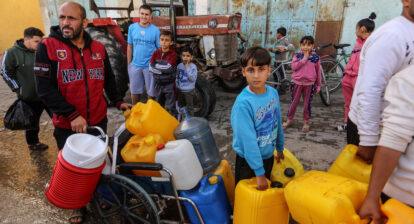
It is estimated that as many as 250 million people in the Middle East and North Africa lack safe drinking water, according to a separate August study which suggests the scale of the health and poverty problem worldwide could be twice as bad as feared.
WMO’s secretary general, Celeste Saulo said:
“Water is the canary in the coal mine of climate change. We receive distress signals in the form of increasingly extreme rainfall, floods and droughts which wreak a heavy toll on lives, ecosystems and economies. As a result of rising temperatures, the hydrological cycle has accelerated. It has also become more erratic and unpredictable, and we are facing growing problems of either too much or too little water. A warmer atmosphere holds more moisture which is conducive to heavy rainfall. More rapid evaporation and drying of soils worsen drought conditions.”