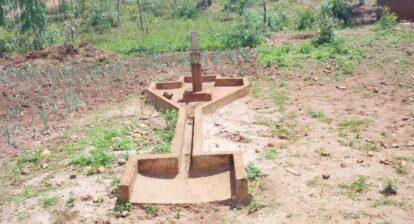
At Quartier Jasmin, the thirst for existence.
In the world’s major cities, public fountains are synonymous with life, dispensing fresh, pure water free of charge. In Le Morne’s Quartier Jasmin on Mauritius, however, you have to pay to use the local fountain, which dispenses water unfit for human consumption. We saw for ourselves: the water, initially crystal clear, gradually turns light brown and then dark brown within minutes. This is their daily fate.
The date is 5 February 2025. In this area, bordering on Quatre-Bornes, the inhabitants, mostly squatters from the Jasmine district, face a major problem: access to water. This situation persists despite the proximity of the magnificent Morne beach, which stretches for several kilometres.
At first glance, the place looks idyllic. The beach stretches out to the right, immaculately maintained and lined with neatly trimmed trees. The tourist facilities are well laid out, with strategically placed rubbish bins and stalls selling food, drink and tourist souvenirs, but the contrast to the left is stark. Appearances are deceptive. The Jasmine Quarter is accessed via a narrow alleyway that is only accessible by 4×4. At the entrance to this lane, which leads to a neighbourhood of around thirty families, the residents benefit from electricity and drinking water from the Central Water Authority. This only applies to the beginning of the track. On the way up, we discover dozens of families, all squatters, whose situation has never been regularised.
Colette seems to be the eldest of a group of women that includes Brunette, Brenda, Angela and Graziella. During our visit to Quartier Jasmin and Coteau Raffin, not a single man made himself known. They just walked by without stopping.
The women of Quartier Jasmin are determined to get running water in their homes. This well water, which was denounced by Véronique Leu-Govind on 1 February in Le Morne during the commemoration of the 190th anniversary of the abolition of slavery, and again in Parliament, is a real health hazard, putting residents at risk of chronic gastroenteritis. However, the residents pay a monthly fee to a cooperative.
Squatters have been living in this area for more than 20 years. Some have grown up here, started families and are still fighting for access to drinking water and electricity. I have a lot of faith in this new government and in Véro in particular. If they don’t keep their promises, we’ll know what to do in five years’ time, and they know it,’ Colette concludes in all her wisdom.