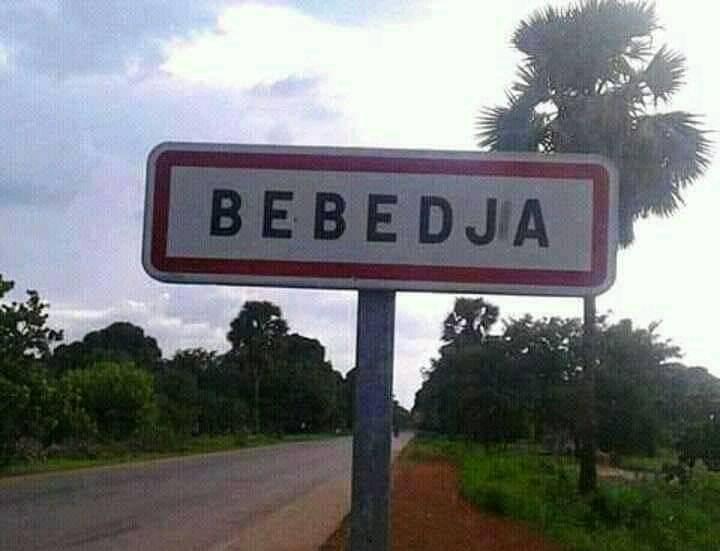
Chad – Water crisis in Bébédjia: The Leulhoulam district in desperate need of drinking water.
Access to drinking water is a fundamental right, yet many neighbourhoods in Chad are still deprived of it. The Leulhoulam district of Bébédjia is a striking example of this reality. Despite government efforts to improve access to drinking water, this neighbourhood remains marginalised.
Water is often referred to as the source of life. Access to drinking water is essential for a healthy life and the prevention of water-borne diseases. However, the Leulhoulam district of Bébédjia is facing a serious crisis: around 95% of the population has no access to drinking water.
Alarming situation
Despite the efforts of the Director General of the Ministry of Social Action, Kaoude Israël, who has installed water boreholes in public schools and in certain neighbourhoods of Bébédjia, Leulhoulam remains excluded from this project. This raises questions about the criteria used to select the neighbourhoods to benefit. Why is Leulhoulam not one of the areas benefiting from these initiatives? Are the inhabitants of this district considered to be outside the community of Bébédjia?
Call for action
We call on the Ministry of Social Action and the Ministry of Water to review their policies on access to drinking water in accordance with the directives of the President of the Republic, Marshal Mahamat Idriss Déby Itno. The latter has launched a programme of 100 actions to guarantee access to drinking water for all Chadians, regardless of their ethnic or racial origin.
The importance of equity
It is essential that any infrastructure project, such as the construction of water boreholes, takes into account all areas of a community. Currently, some neighbourhoods benefit from an over-concentration of boreholes, while others, such as Leulhoulam, are forgotten. This disparity creates tensions within communities and is detrimental to peace and co-existence.